
Bipolar Disorder - Causes and Symptoms
Bipolar disorder is a mental disorder characterized by abrupt mood swings, alternating euphoria and depression. It can be hereditary, arise due to the characteristics of the psyche or concomitant diseases. Only a specialist can recognize the disorder in the initial stages.
Clinical features of the disease
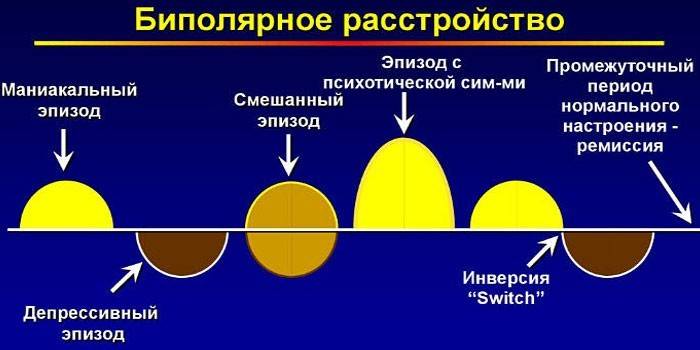
The periods of the manifestations of the disease can vary in duration, and between them a person sometimes lives calmly and evenly. Symptoms of the disease:
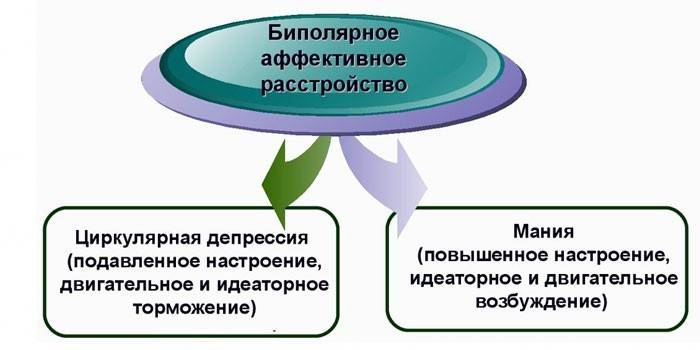
- Depression phase. A person has hatred, anger, a decline in physical strength and energy, and his thinking is hindered. There are thoughts of suicide.
- The activity phase is characterized by an excited state, bliss, rash acts, and accelerated speech. Sleep is disturbed, mood changes dramatically.
Why bipolar mental disorder develops is not known to science. The reasons may be:
- heredity;
- external factors;
- character traits of a person;
- accompanying illnesses;
- taking medication.

Bipolar personality disorder
The disease can develop due to the nature of the person’s reaction to what is happening.
The risk of developing the disease increases when a person has:
- increased sense of responsibility;
- orderliness in all types of activities;
- devotion to the idea;
- good faith.
The causes of mental disorders can be:
- diffidence;
- poverty of emotions;
- depressed mood;
- low self-esteem;
- obstinacy, cowardice;
- indecision;
- shyness.
Associated factors for the onset of the disease:
- emotional instability;
- immersion in your inner world;
- anxious suspiciousness;
- passivity;
- desire for solitude;
- carelessness.
Mental disorder
The disorder often occurs due to problems in communicating with people. It can be from childhood, when a child had difficulty communicating in a team with his parents.
Prerequisites for bipolar mental disorder are:
- problems in personal life;
- difficult relationships at work;
- drug addiction;
- failures in business;
- alcohol abuse.
Why does affective bipolar disorder develop?
In 80% of cases, the cause of the disease is associated with heredity. More than half of adults complain of childhood communication problems. The development of the disease is affected by:
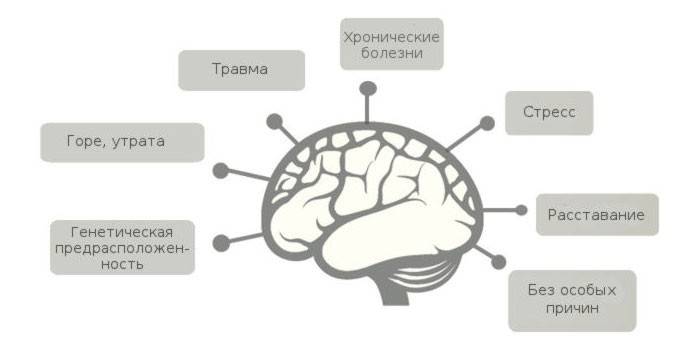
- prolonged stress;
- psychological trauma;
- nervous shocks;
- medication for depression or depression;
- disorders in the thyroid gland;
- diabetes;
- pregnancy;
- violation of the water-salt balance;
- trouble sleeping.
Biological factors
Disorders in the body can lead to illness:
- endocrine diseases;
- lack of hormones of pleasure and happiness;
- high levels of stress hormone.
The cause of the disorder is often the disease that had close relatives:
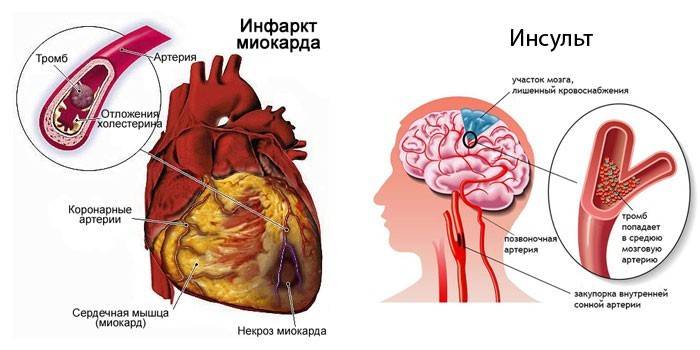
- stroke (hemorrhage in the brain);
- HIV infection
- myocardial infarction;
- severe head injuries;
- hormonal disorders;
- depression;
- chronic diseases of the brain and spinal cord;
- brain disorder;
- temporal lobe epilepsy;
- schizophrenia;
- addiction;
- alcoholism.
Physiological
The causes of the disease can be birth injuries or head injuries, as well as hormonal disorders that occur in women:
- during pregnancy;
- after childbirth;
- with menopause;
- during menstrual bleeding.
Psychosocial
Depression in a person is often caused by emotional causes, for example, a harsh and unfair attitude to him in childhood. The disease can begin after severe stress:
- great grief;
- financial problems;
- long separation;
- relocation;
- weddings
- loss of a loved one;
- exams.
Environmental
- Violation of biological rhythms caused by shift work, lack of night sleep.
- Seasonality - Depression is more often manifested in winter and autumn.
- Chemical contamination of the environment that affects the human body.
- Exposure to heavy metals.
Video
 Bipolar disorder. Live healthy! (05.16.2016)